

Future Events
Events
-
-
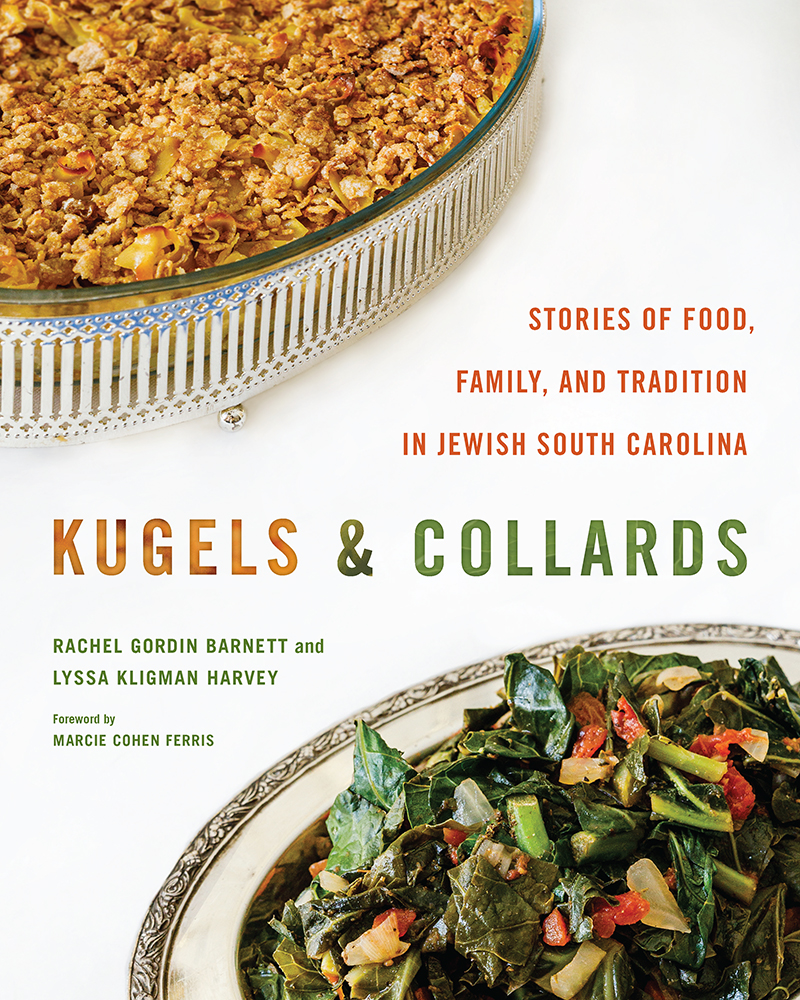
Kugels and Collards: Sunday Brunch Book talk with Rachel Gordin Barnett and Lyssa Kligman Harvey
Arnold Hall 96 Wentworth Street, Charleston, SC, United StatesExplore South Carolina’s Jewish history through the lens of food and memory. Kugels and Collards is a lively collection of South Carolina Jewish family and community stories and special family recipes. Where people go, so goes their food.
Join us for a conversation with Rachel Gordin Barnett and Lyssa Kligman Harvey about their work on this project.
This hybrid event will take place in the Jewish Studies Center, Arnold Hall (Room 100) and via Zoom.
Brunch will be served beginning at 9:00 a.m. The event will begin at 10:00 a.m.
Copies of the book will be available for purchase after the event. -
-
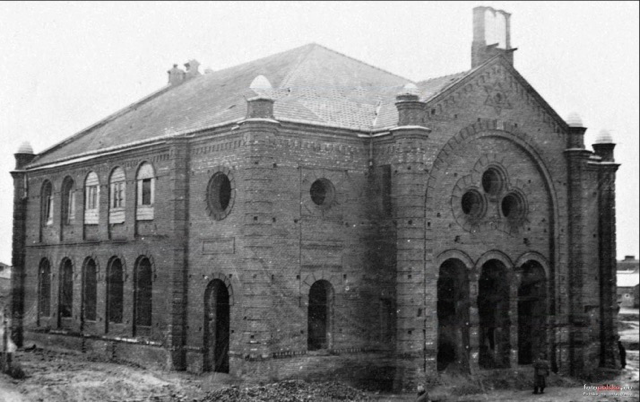
What Kałuszyn Tells: the Life, Death, and Afterlife of a Polish Shtetl
Arnold Hall 96 Wentworth Street, Charleston, SC, United StatesJoin us for a Sunday Brunch conversation about the interconnected history of the Jewish communities in Kałuszyn, Poland and Charleston, South Carolina. Professors Chad Gibbs and Ashley Walters will talk about their ongoing research into the history of Kałuszyn, Jewish chain migration from Kałuszyn to Charleston, and the destruction of Kałuszyn during World War II.
This hybrid event will take place in the Jewish Studies Center, Arnold Hall (Room 100) and Zoom. Brunch will be served beginning at 9:00 AM. -
-
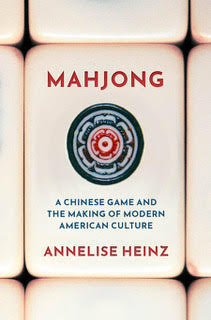
Dr. Annelise Heinz and the History of Mahjong in the US
Arnold Hall 96 Wentworth Street, Charleston, SC, United StatesMahjong: A Chinese Game and the Making of Modern American Culture illustrates how the spaces between tiles and the moments between games have fostered distinct social cultures in the United States. This mass-produced game crossed the Pacific, creating waves of popularity over the twentieth century. Annelise Heinz narrates the history of this game to show how it has created a variety of meanings, among them American modernity, Chinese American heritage, and Jewish American women's culture.
As it traveled from China to the United States and caught on with Hollywood starlets, high society, middle-class housewives, and immigrants alike, mahjong became a quintessentially American game.
Heinz also reveals the ways in which women leveraged a game to gain access to respectable leisure. The result was the forging of friendships that lasted decades and the creation of organizations that raised funds for the war effort and philanthropy. No other game has signified both belonging and standing apart in American culture. -
-
Southern Jewish Politics and the Coming of the New South
Arnold Hall 96 Wentworth Street, Charleston, SC, United StatesIn the immediate aftermath of the Civil War, the political landscape of the American South transformed drastically. Local offices previously dominated by the slave-owning planter elite now sat a racially, ethnically, and economically diverse pool of politicians. Among this new cohort of officeholders were scores of Jewish immigrants, over fifty of whom served as mayors of southern towns between 1870 and 1900. In an era often defined by political turbulence and race-based electoral violence, these local Jewish politicians became some of the unsung leaders of southern towns.
-
-
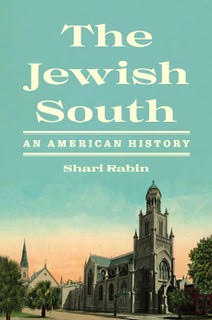
Sunday Brunch: The Jewish South: New Histories with Dr. Shari Rabin
Arnold Hall 96 Wentworth Street, Charleston, SC, United StatesJoin us over Sunday brunch for a conversation about Dr. Shari Rabin’s forthcoming The Jewish South: An American History (Princeton University Press, 2025). Dr. Rabin’s book is the first narrative survey of southern Jewish history. Exploring dynamics of race and religion, it features a wide range of Jewish southerners whose stories complicate popular understandings of their region. In this presentation, Rabin, who taught southern Jewish history at the College of Charleston from 2015-2019, will discuss the process of writing this book and share some of the most intriguing finds from her research.
This hybrid event will take place in the Jewish Studies Center, Arnold Hall (Room 100) and via Zoom. Brunch will be served beginning at 9:00 AM.
-
-
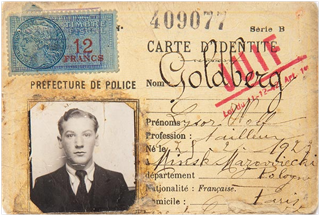
Sunday Brunch: “From Kaluszyn to Paris and Beyond – Jewish Communities in Motion and Memory”
Arnold Hall 96 Wentworth Street, Charleston, SC, United StatesThis talk will share new research on the migration of Jews from Kaluszyn to Paris, in the early twentieth century and their wartime experiences. A branch of Kimble’s own family made this migration and in-depth research allows her to contextualize stories of community solidarity during the Nazi occupation, and bittersweet memorial during the Liberation and postwar period. Join us for a reflection on being Jewish in Paris between 1920 and 1950. This hybrid event will take place in the Jewish Studies Center, Arnold Hall (Room 100) and via Zoom. Brunch will be served beginning at 9:00 AM.
-
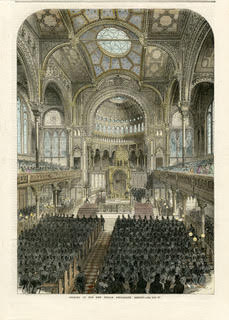
“Where were the Women? A History of Gendered Synagogue Space” – An illustrated lecture by Samuel D. Gruber
Arnold Hall 96 Wentworth Street, Charleston, SC, United StatesIn this talk Dr. Samuel Gruber presents an overview of the role of women in Jewish worship space but especially focuses on the types of physical spaces allowed to women in American synagogue architecture from the 18th century until today. Dr. Gruber will present historical material, some of which derives from the William Rosenthal Collection at the College of Charleston, and much of which comes from his own continuing investigation of synagogue buildings throughout the world.
-
-
North African Jews in Christian South Carolina: Slavery, Diplomacy, and Religion Across the Atlantic
Arnold Hall 96 Wentworth Street, Charleston, SC, United StatesDr. Max Modiano Daniel, Public Historian and Director of the Jewish Heritage Collection at the College of Charleston will give a talk on his latest research, which explores how North African Jews shaped 19th-century American Jewish history and challenged racial and political norms in the antebellum South. Doors will open for brunch at 9:00 AM.
-
-
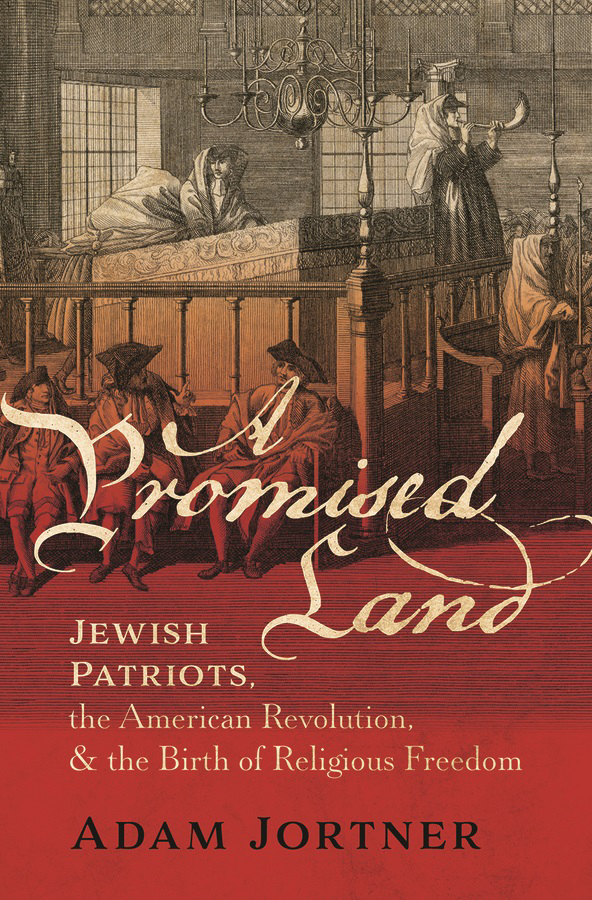
Oy Vey, King George! American Jews and the Revolution
Arnold Hall 96 Wentworth Street, Charleston, SC, United StatesDr. Adam Jortner (Auburn University) will talk about his new book, A Promised Land: Jewish Patriots, the American Revolution, and the Birth of Religious Freedom. This talk dismantles the enduring myth that America was founded primarily as a Christian nation, instead highlighting the diverse religious and cultural forces that shaped its origins. By widening the scope of the American Revolution to include Jewish patriots and other overlooked figures, it uncovers how Judaism played a central role in defining both the new nation and its evolving concept of citizenship. Doors will open for brunch at 9:00 AM.
-
-
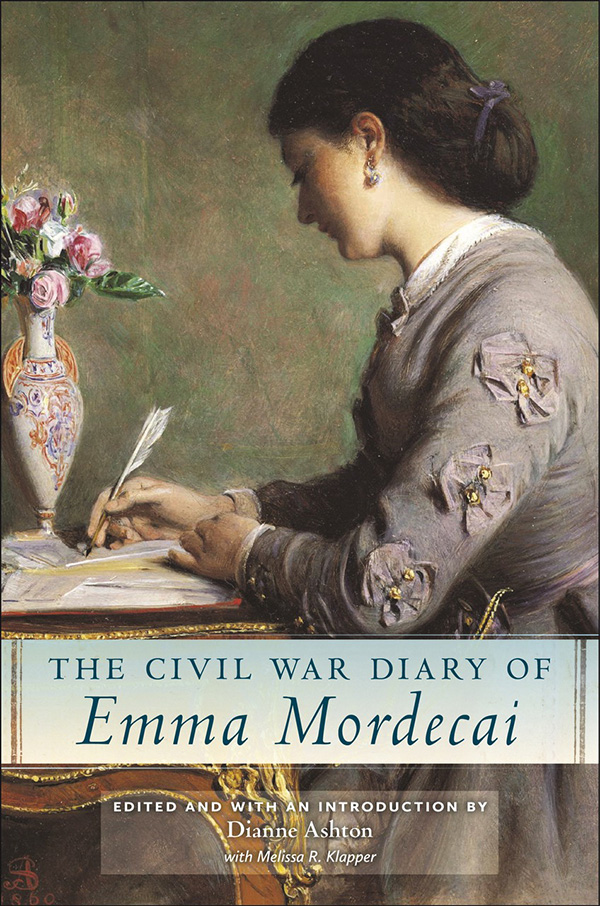
The Civil War Diary of Emma Mordecai featuring Dr. Melissa Klapper
Arnold Hall 96 Wentworth Street, Charleston, SC, United States
Emma Mordecai lived an unusual life. She was Jewish in a region where Jews made up less than one percent of the population, unmarried in a society that offered women few paths outside of marriage, and American-born at a time when most Jews in the United States were immigrants. She remained deeply committed to Jewish religious practice and identity even as many members of her family converted to Christianity. At the same time, she lived comfortably within the social expectations of white Southern womanhood, embraced Southern values, and owned enslaved African Americans.
Emma Mordecai was a deeply complicated figure: a staunch defender of Judaism who was also an ardent Confederate nationalist and slaveowner. Her life, vividly captured in her wartime diary, underscores the messiness of history and the ambiguous place of Jews in the antebellum and Civil War South.
The Civil War Diary of Emma Mordecai is one of the few surviving Civil War–era diaries written by a Jewish woman in the antebellum South. Through Mordecai’s daily entries, the diary traces her evolving views on Confederate nationalism and Southern identity, Jewishness, women’s roles during wartime, domestic life in a slaveholding household, and the central importance of family ties. Without losing sight of the racist social and political structures that shaped her world, the book also documents her experiences of wartime disruption, displacement, and the loss of home.
Rich in detail, the diary brings to life hospital visits, food shortages, local social life, Jewish observances, the sounds and sights of nearby battles, and the deeply personal consequences of emancipation and its aftermath for Mordecai’s household and family. Together, these reflections offer a rare and illuminating perspective on Jewish life, gender, and belonging in the final years of the Civil War South. -
-
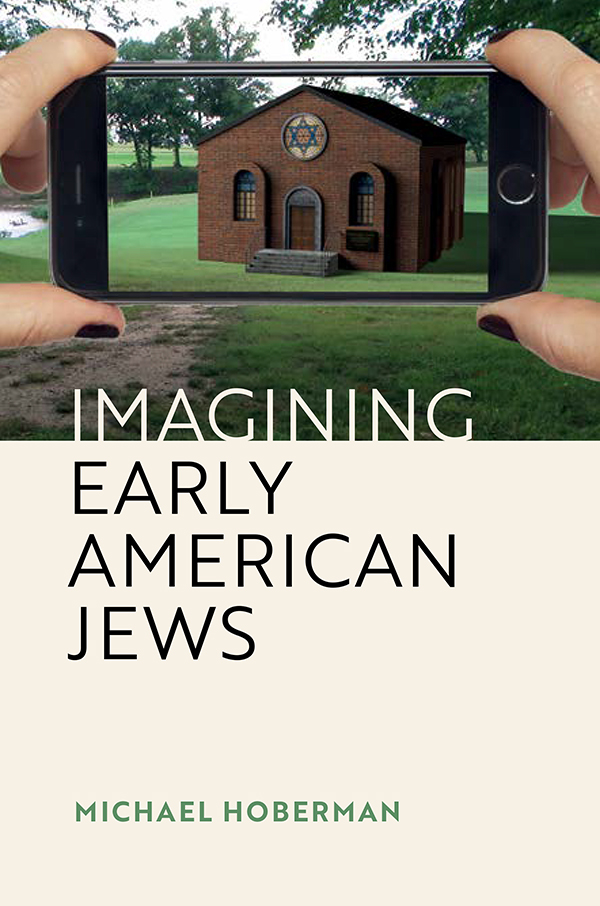
Imagining Early American Jews, with Dr. Michael Hoberman
Arnold Hall 96 Wentworth Street, Charleston, SC, United StatesMichael Hoberman examines how the Jewish experiences of the American Revolution, slaveholding in the early republic and antebellum period, and westward migration have been imagined, commemorated, and frequently mythologized. Focusing on how historical relationships between Jews and Native Americans and Jews and Blacks are interpreted in light of current political developments, he suggests that the stories Americans tell about early American Jews help to shape their views about the racial and cultural complexities of the American present. He analyzes current-day popular representations of Jewish history in the United States, including historical novels and the curation of early synagogues and house museums. Finally, he introduces several current-day descendants of early American Jews whose genealogical backgrounds inform their sense of identity. Timely and original, Imagining Early American Jews shows how non-specialists’ interpretations and representations of the past are key to understanding Jewish American history and identity. Doors will open for brunch at 9:00 AM.
-
-
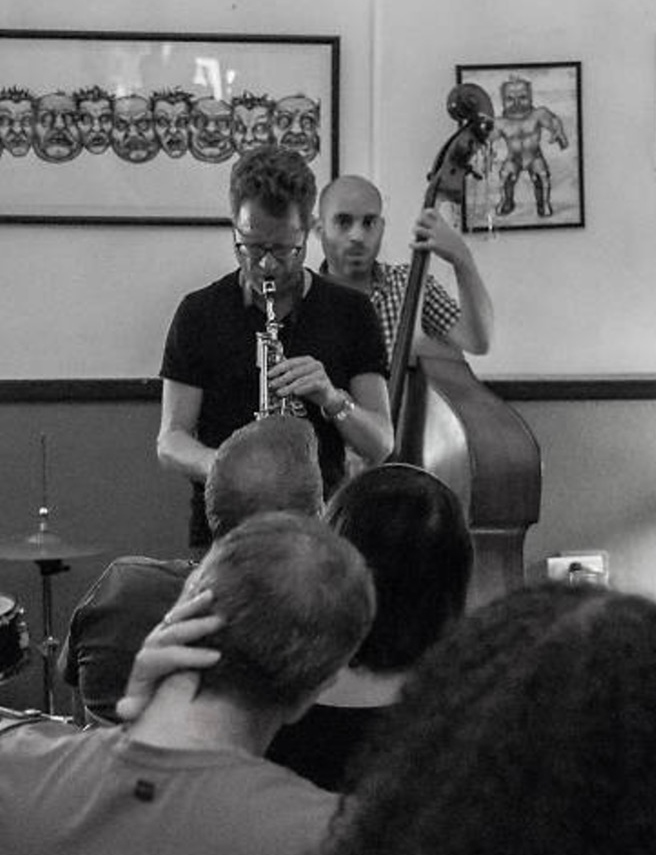
How American Jazz Inspired the Israeli Sound
Arnold Hall 96 Wentworth Street, Charleston, SC, United StatesIsrael has a thriving jazz scene today, but the story of how jazz arrived and took root there is far less known. Dr. Leonard Stein traces that history, exploring how the reception of American music in Israel was shaped by the country's shifting demographics before and after 1948 — including successive waves of immigration from Eastern Europe, North Africa, and the Middle East — as well as by the broader nationalist project of forging a distinctly Israeli cultural identity.
At the center of Stein's talk are two Jewish American musicians who immigrated to Israel shortly after statehood and dedicated their lives to teaching and spreading jazz throughout the country — through radio broadcasts, lectures, jam sessions, performances, and writing. At a time when American records were scarce, their efforts were foundational in cultivating the first generation of Israeli jazz musicians and listeners.
Central to this work was the task of explaining where jazz comes from. In doing so, many Israelis encountered, for the first time, the African American experience, the musical roots of blues and spirituals, and the cultural history of the American South. Dr. Stein's talk ultimately illuminates a surprising and resonant bridge between Southern culture and Israeli society — one built through music.
Doors open for brunch at 9:00 AM.