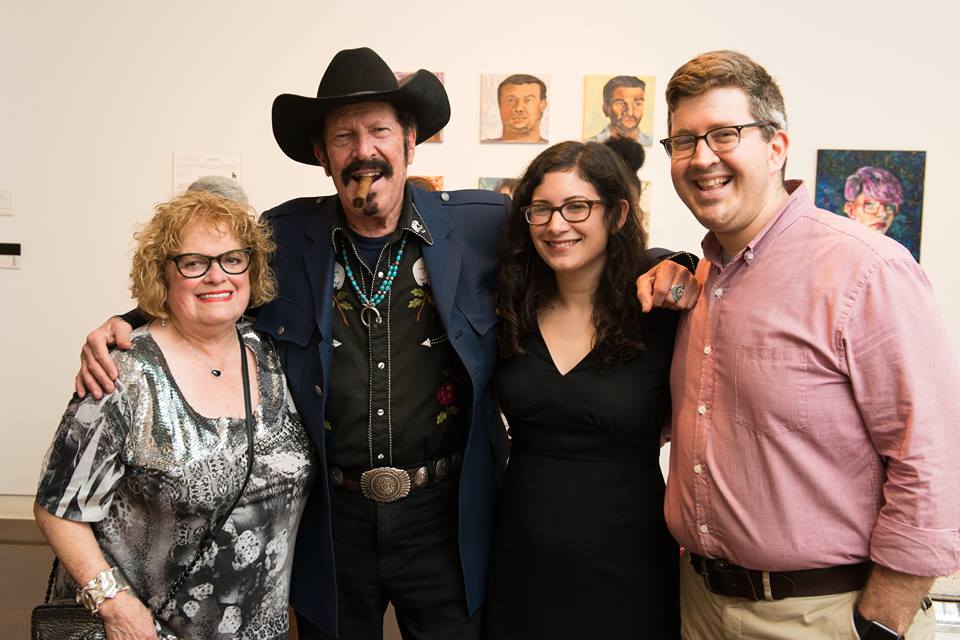

ABOUT THE CENTER
The College of Charleston’s Center for Southern Jewish Culture seeks to broaden public knowledge and inspire conversations about the southern Jewish experience.
Generously funded by the Pearlstine/Lipov family in 2014, it brings together the resources of the College’s Jewish Studies Program, Addlestone Library’s Jewish Heritage Collection, and The Jewish Historical Society of South Carolina.
The College of Charleston’s Center for Southern Jewish Culture hosts a wide array of speakers, films, and other events.
Our Charleston Research Fellowship Program supports works of scholarship, public history, and artistic production.

We partner with other organizations to help the public discover the rich history and culture of the Jewish South.
UPCOMING EVENTS
Emma Mordecai lived an unusual life. She was Jewish in a region where Jews made up less than one percent of the population, unmarried in a society that offered women few paths outside of marriage, and American-born at a time when most Jews in the United States were immigrants. She remained deeply committed to Jewish religious practice and identity even as many members of her family converted to Christianity. At the same time, she lived comfortably within the social expectations of white Southern womanhood, embraced Southern values, and owned enslaved African Americans.
Emma Mordecai was a deeply complicated figure: a staunch defender of Judaism who was also an ardent Confederate nationalist and slaveowner. Her life, vividly captured in her wartime diary, underscores the messiness of history and the ambiguous place of Jews in the antebellum and Civil War South.
The Civil War Diary of Emma Mordecai is one of the few surviving Civil War–era diaries written by a Jewish woman in the antebellum South. Through Mordecai’s daily entries, the diary traces her evolving views on Confederate nationalism and Southern identity, Jewishness, women’s roles during wartime, domestic life in a slaveholding household, and the central importance of family ties. Without losing sight of the racist social and political structures that shaped her world, the book also documents her experiences of wartime disruption, displacement, and the loss of home.
Rich in detail, the diary brings to life hospital visits, food shortages, local social life, Jewish observances, the sounds and sights of nearby battles, and the deeply personal consequences of emancipation and its aftermath for Mordecai’s household and family. Together, these reflections offer a rare and illuminating perspective on Jewish life, gender, and belonging in the final years of the Civil War South.
Michael Hoberman examines how the Jewish experiences of the American Revolution, slaveholding in the early republic and antebellum period, and westward migration have been imagined, commemorated, and frequently mythologized. Focusing on how historical relationships between Jews and Native Americans and Jews and Blacks are interpreted in light of current political developments, he suggests that the stories Americans tell about early American Jews help to shape their views about the racial and cultural complexities of the American present. He analyzes current-day popular representations of Jewish history in the United States, including historical novels and the curation of early synagogues and house museums. Finally, he introduces several current-day descendants of early American Jews whose genealogical backgrounds inform their sense of identity. Timely and original, Imagining Early American Jews shows how non-specialists’ interpretations and representations of the past are key to understanding Jewish American history and identity. Doors will open for brunch at 9:00 AM.
NEWS AND NOTES
Center Talk, Spring 2017
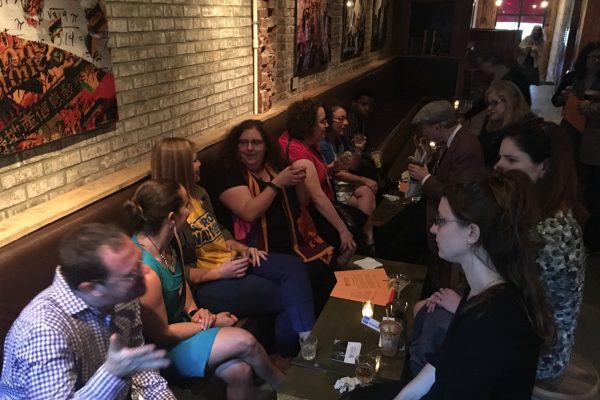
The Center sponsored the first talk in the “Jews and Elections” series. Acting Director Rabin spoke about the 1860 Presidential election.
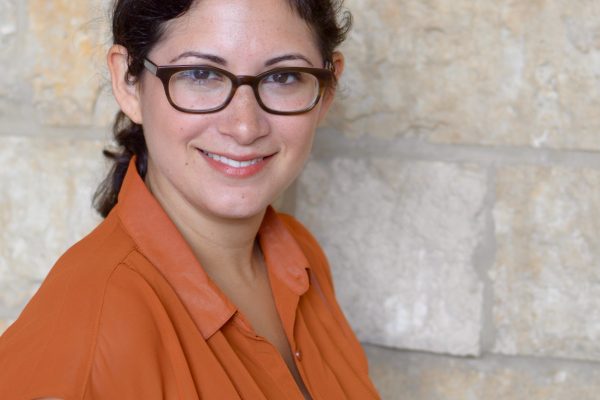
Shari Rabin Publishes in the Journal of Southern Religion
Rabin has published an article entitled "Mohalim, Not Missionaries: Outsider and Insider Bodies in Southern Religious History".
Center Talk, Fall 2016
The Center hosted our 2nd film screening, of Carvalho’s Journey, which charts the life & work of Charleston Jewish photographer & artist Solomon Nunes Carvalho.
Center Talk, Spring 2016
The Pearlstine/Lipov Center for Southern Jewish Culture held its first public event, a discussion of “Jews in the Freedom Summer” with Bruce Watson, author of this year’s College Reads! selection, Freedom Summer: The Savage Season That Made Mississippi Burn and Made America a Democracy.